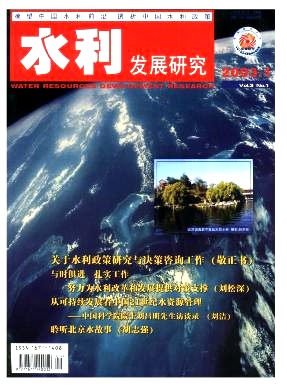
About the Journal

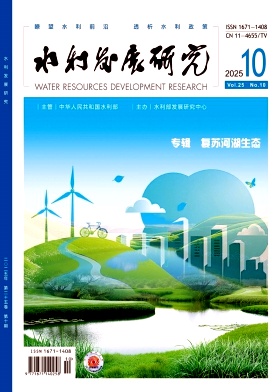
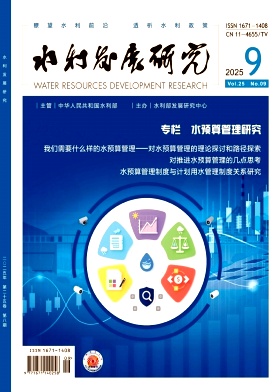
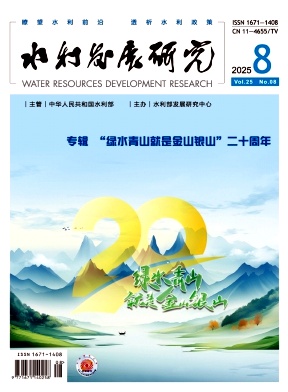
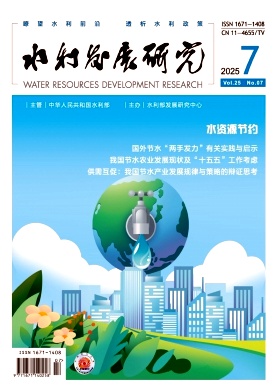
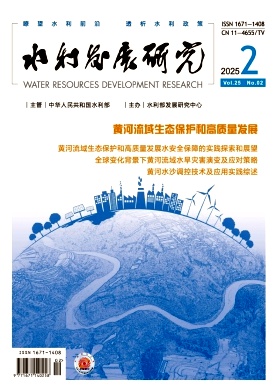
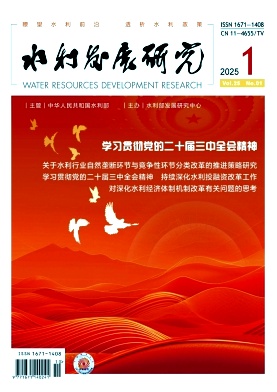
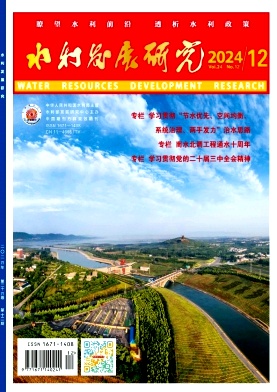
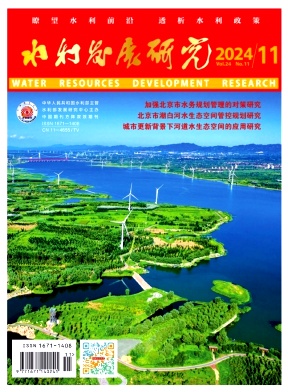
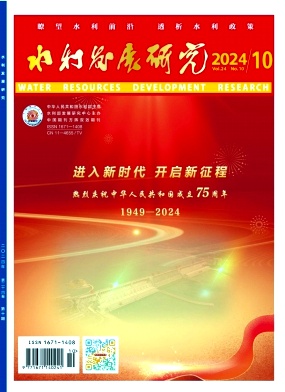
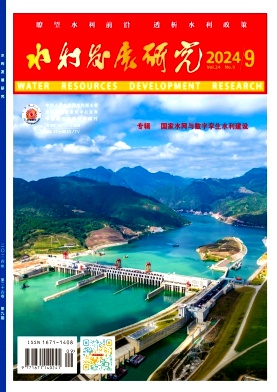
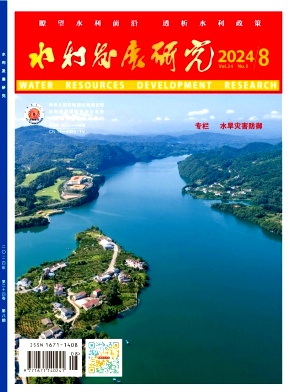
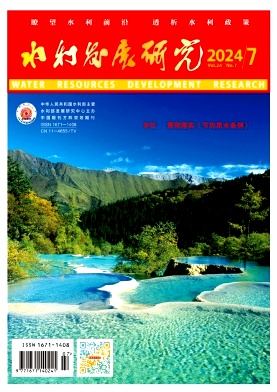
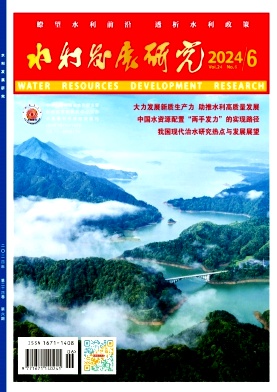
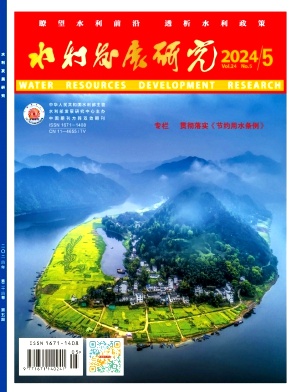
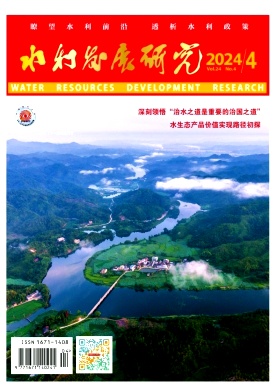
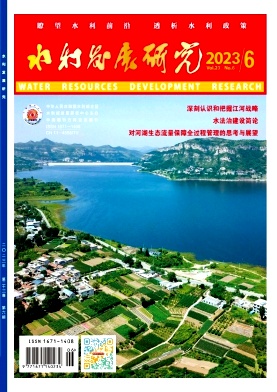
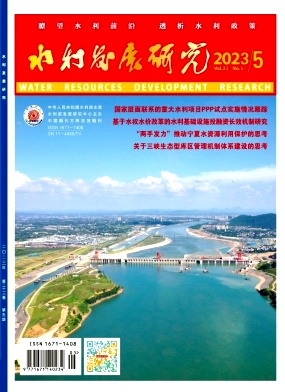
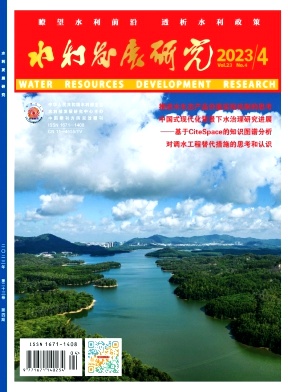
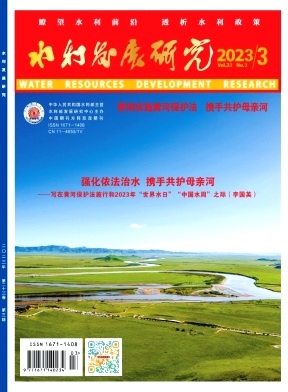
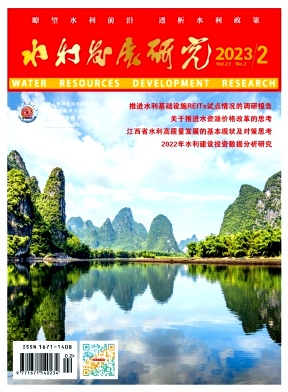
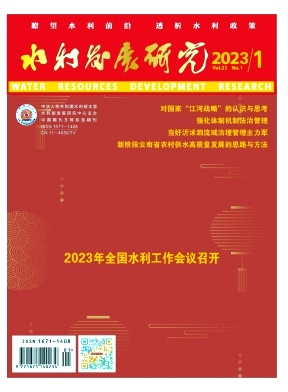
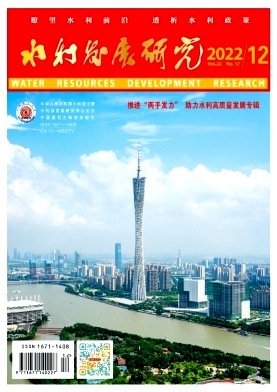
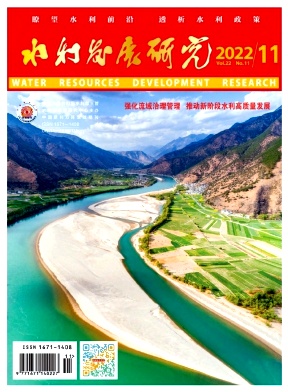
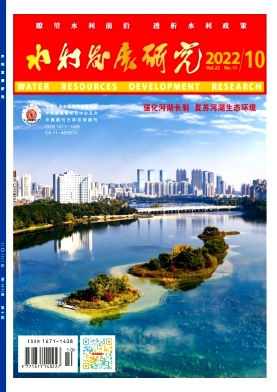
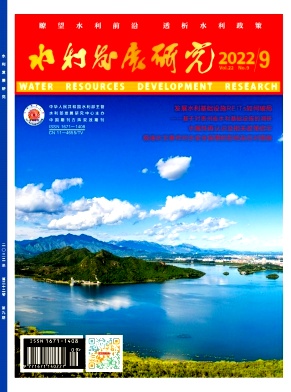
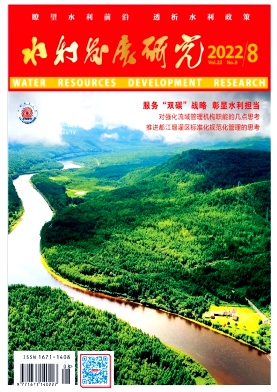
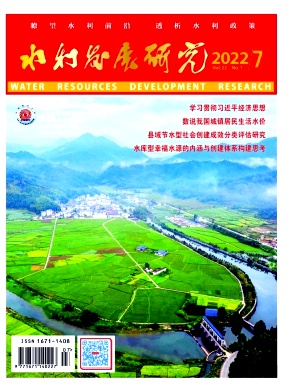
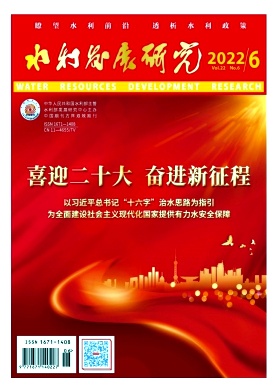
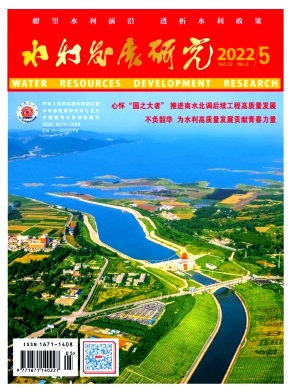
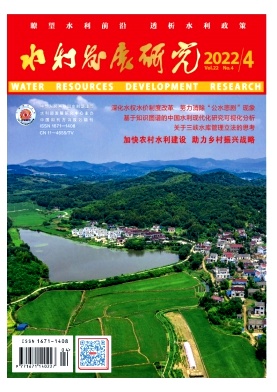
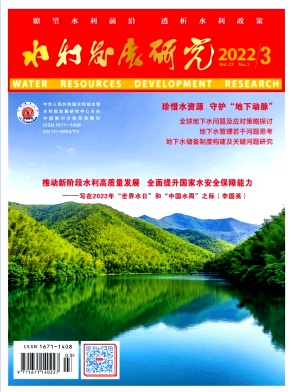
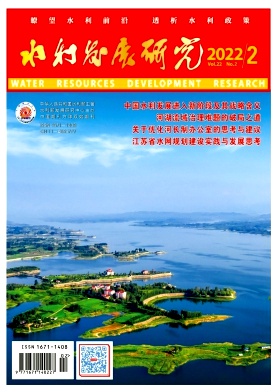
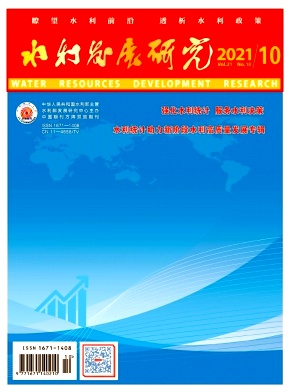
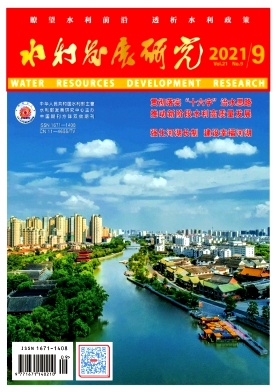
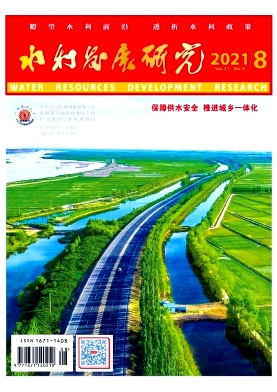
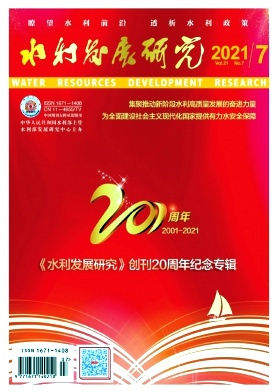
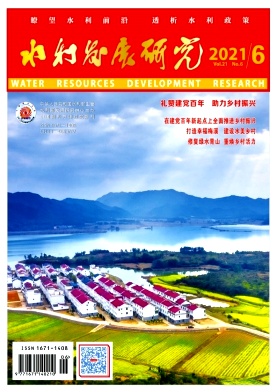
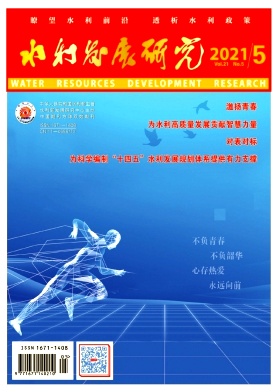
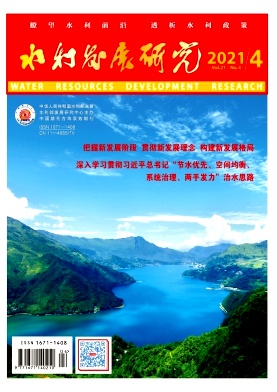
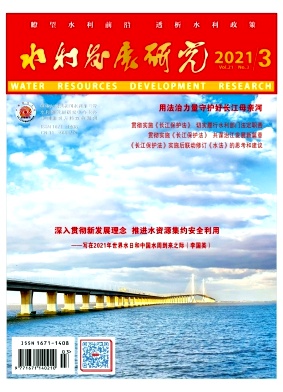
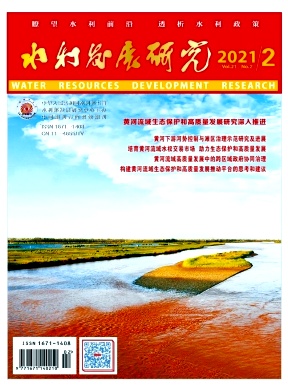
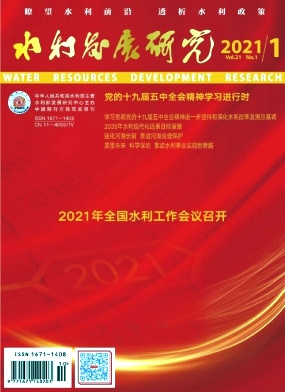
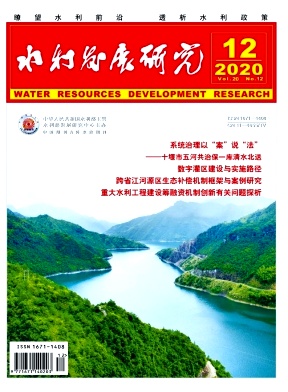
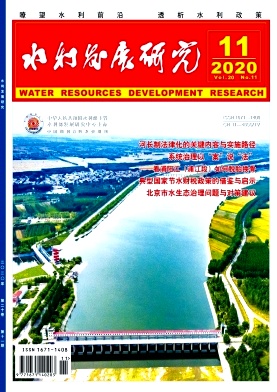
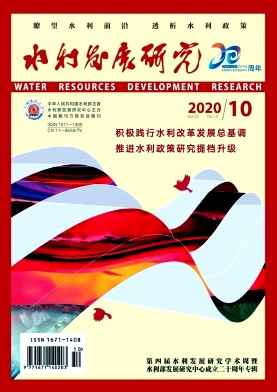
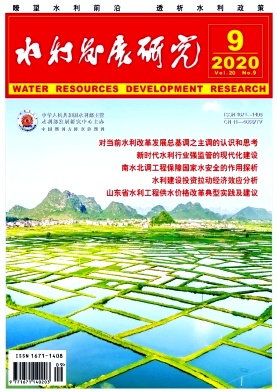
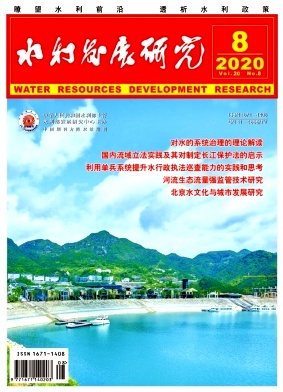
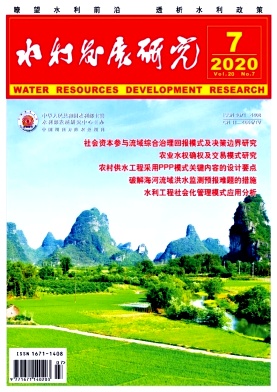
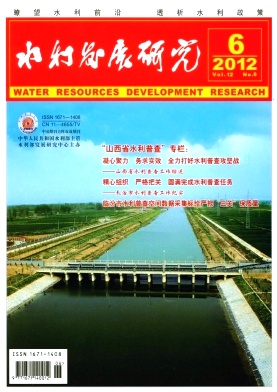
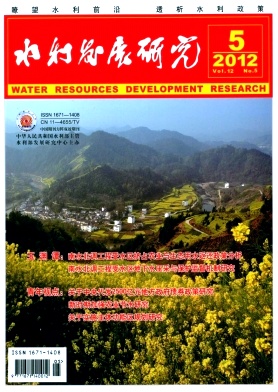
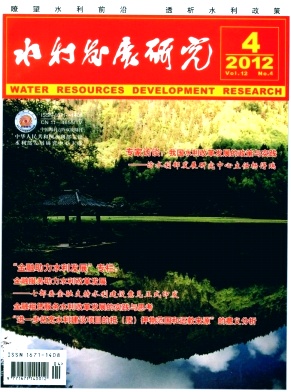
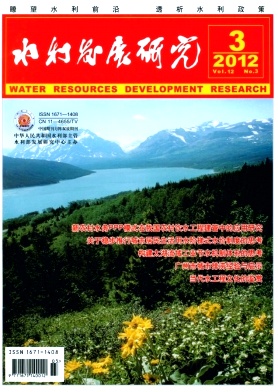
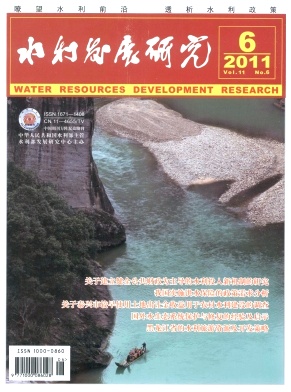
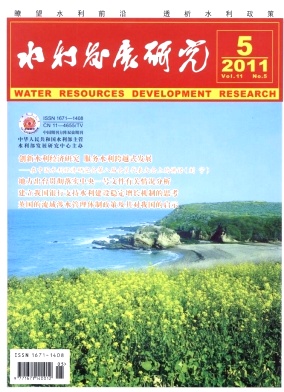
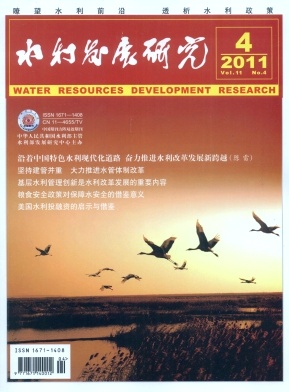
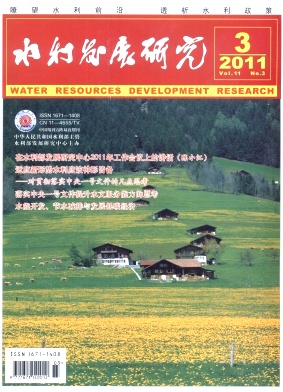
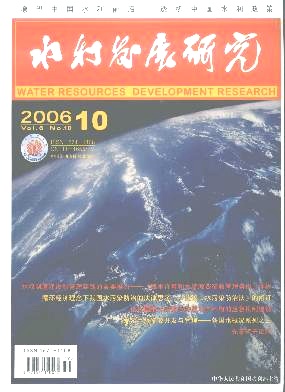
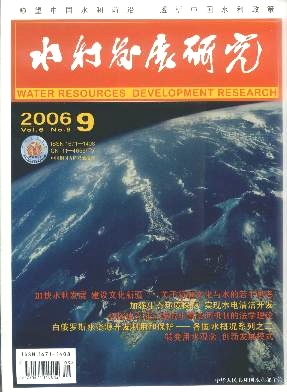
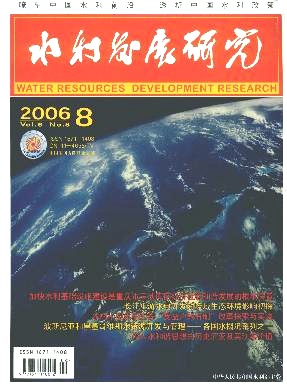
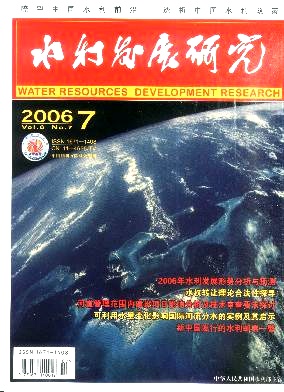
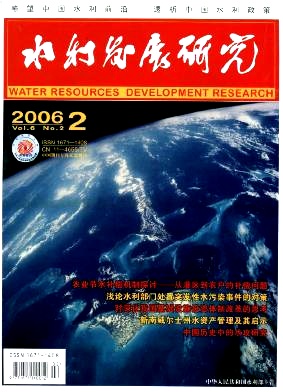
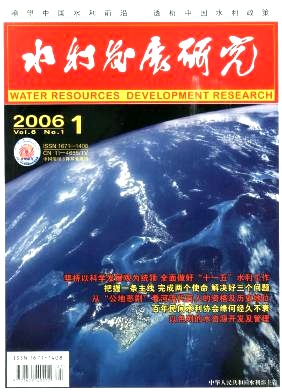
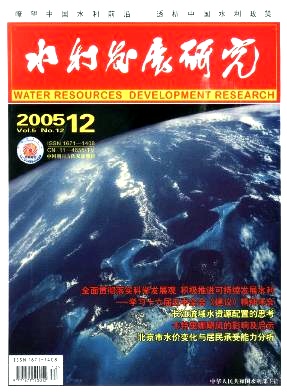
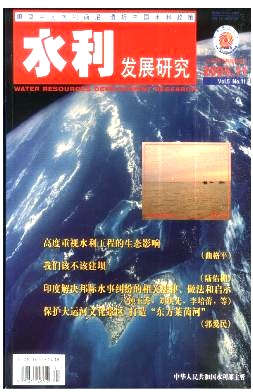
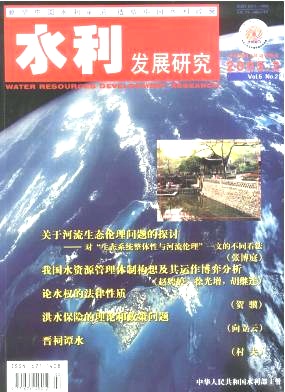
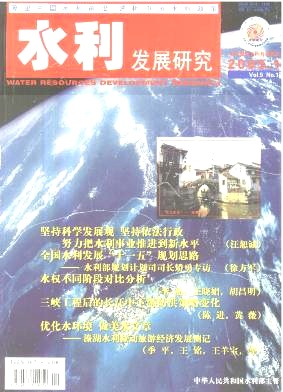
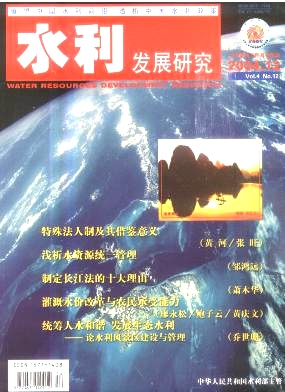
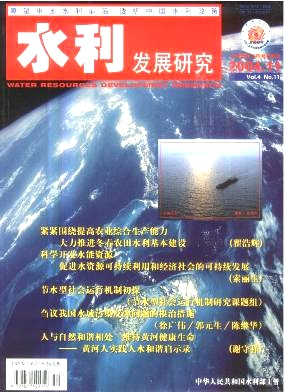
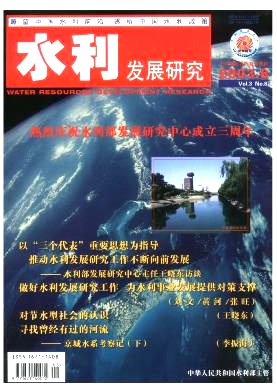
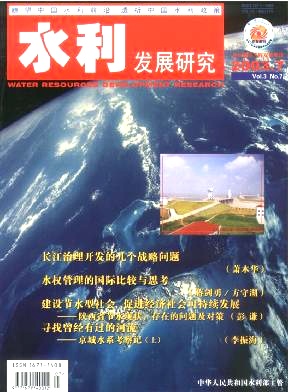
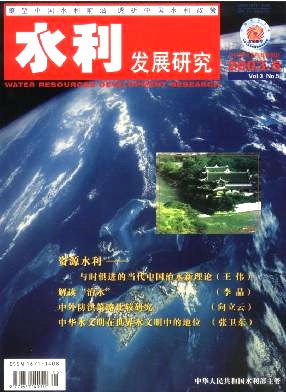
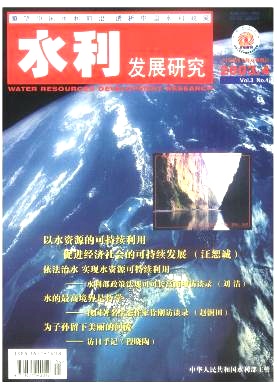
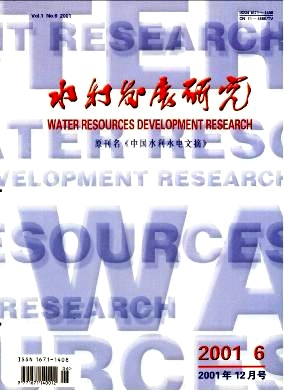
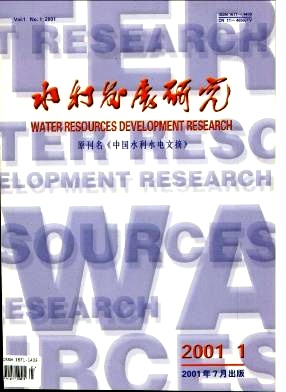
Journal Title: WATER RESOURCES DEVELOPMENT RESEARCH
Founded in: 2001
Governed by: Ministry of Water Resources of the People's Republic of China
Sponsored by: Development Research Center of the Ministry of Water Resources
Frequency: Monthly
Telephone: 010-63205972
China Standard Serial Number (CN): 11-4655/TV
International Standard Serial Number (ISSN): 1671-1408
News
Good News! Water Resources Development Research is indexed in the ICI World of Journals, Ulrich's Periodicals Directory and J-Gate Database
TopCall for Submissions | Revitalization of existing water conservancy assets
TopKey Topic Directions for 2026
Good News! Our Journal’s Article “Discussion on Urban Flood Prevention and Resilience Enhancement in the Transformation of High-Quality Water Conservancy Development” is Excerpted and Published by Reform Internal Reference.
Good News! Water Resources Development Research is Selected for China’s Sci-Tech Journal Excellence Action Plan Phase II Pioneering Cluster Development Project.
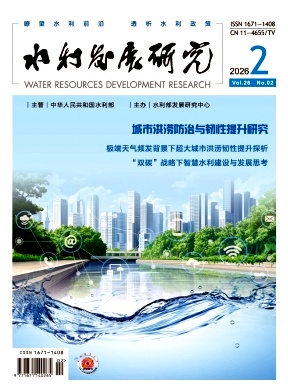
more..Analysis on improving flood resilience of megacities against the background of frequent extreme weather
MEI Chao;LIU Jiahong;WANG Jia;WANG Qiang;LI Yongkun;ZHANG Wei;WANG Jinyan;Against the backdrop of climate change and other multifactorial influences,urban flood disasters are becoming increasingly frequent. For megacities,constructing an urban flood control system solely from the perspective of combating disasters is unlikely to be fully effective and it is also uneconomical to raise urban flood control standards to the level required for extreme disasters. Therefore,improving urban flood resilience has become a critical direction for megacities in addressing extreme rainstorm and flood events. Based on the investigation of flood disasters and case studies from typical megacities,this paper explores the basic characteristics of flood disasters in megacities,focusing on the unique complexity of flood disaster prevention and control,the chain amplification effect of flood disasters,and the uncertainty of disasters under climate change. It identifies key deficiencies in the flood resilience of megacities,such as the lack of risk awareness,inadequate grassroots response systems,insufficient on-site emergency measures,and weak multidimensional resilience frameworks. The paper proposes basic strategies to enhance flood resilience,including strengthening prevention and risk avoidance,improving flood detection and early warning systems,implementing joint prevention and control measures,and leveraging technological empowerment. It further suggests specific pathways for resilience enhancement,including popularizing flood disaster risk education,constructing a comprehensive safety and emergency framework,enhancing three-dimensional collaborative perception,improving precise early warning and response systems,strengthening disaster chain interruption measures,and promoting intelligent flood response systems. The research provides a macroscopic analysis of strategies and pathways for improving the flood resilience of megacities in China and offers valuable reference for flood control and resilience enhancement efforts in such cities.
Urban flood resilience assessment indicator system and enhancement strategies
WANG Jia;LIU Jiahong;LI Xinzhe;MEI Chao;ZHANG Mengxue;In recent years,urban flood disasters have become more frequent under global climate change,and flood risk has intensified with China' s rapid urbanization,highlighting an urgent need to enhance urban flood resilience. To support systematic assessment and diagnose key weaknesses,this study develops a multi-dimensional,full life-cycle indicator system for urban flood resilience using a four-dimensional analytical framework—reliability,robustness,recovery speed,and adaptability—while explicitly accounting for the critical stages of “prevention-resistance-recovery-adaptation”. Based on the proposed indicator system,corresponding strategies are further suggested to strengthen weak links and provide technical support for scientifically improving urban flood resilience.
Development and application of a forecasting and scheduling model for the “four-pre” framework in high-density urban flood control
WANG Hangang;ZHOU Shan;HE Yong;HU Yuying;Pearl River Water Resources Research Institute;To address the operational demands of flood prevention and drainage in high-density urban areas,this study develops an integrated forecasting and scheduling model system tailored to the “four-pre” framework—forecasting,early warning,rehearsal,and contingency planning. The system comprises four core components:( 1) a flood forecasting model that incorporates a three-dimensional water exchange mechanism linking river channels,drainage networks,and surface runoff;( 2) an AI-powered flood prediction model;( 3) a joint regulation model for hydraulic infrastructure; and( 4) a real-time emergency resource allocation model. Building upon this system,a digital platform is further developed to enable rapid simulation and refined visualization of urban flooding. This platform leverages a selectively driven multi-path urban water flow simulation method and advanced 3D visualization technologies based on texture mapping and Shader rendering. The proposed framework and platform offer practical tools and technical references for advancing intelligent flood resilience in densely populated cities.
Reflections on the building and development of smart water conservancy under the “dual carbon”strategy
XU Jian;LI Guozhong;ZHAO Baocheng;XU Jian;ZHANG Shuangyin;XIAO Xiao;In recent years,the concept of “dual carbon” has gained increasing attention,with many explorations and practices carried out at both domestically and internationally to address carbon emission reduction in the water sector. However,little research has focused on the integration of the “dual carbon” strategy with smart water conservancy. Utilizing information and intelligent technologies to promote the green and low-carbon development of the water conservancy is thus crucial.This paper briefly introduces the background of the “dual carbon” strategy and emphasizes the significance of building a smart water conservancy system to achieve the “dual carbon” goals. It reviews the current state of “dual carbon” research in the water conservancy,analyzes application scenarios for integrating “dual carbon” with smart water conservancy,and examines four key areas induding optimizing the overall framework,updating and improving infrastructure,enhancing evaluation and accounting capabilities,and deepening the integration of business applications. This paper reflects on the current focus of smart water conservancy building,proposes relevant strategies,and provides a forward-looking perspective on the development of smart water conservancy systems under the “dual carbon” framework.
Characteristic and strategies for improving the quality and efficiency of unconventional water utilization in the Taihu Lake Basin
YAO Jun;GENG Qingwei;YU Yibo;LI Lanlan;Water Development and Research Center of Taihu Basin Authority;Taihu Basin Authority of Ministry of Water Resources;Unconventional water is a critical component of regional water resources allocation. Enhancing its unconventional utilization plays an essential role in augmenting water supply,reducing pollutant discharge,and supporting the implementation of comprehensive water conservation strategies. In practice,the utilization of unconventional water varies significantly across regions with different water resource endowments. This study examines the characteristics of unconventional water utilization in four representative area types within the Taihu Lake Basin: island areas,highly urbanized areas,water environmentally sensitive zones,and water-receiving areas of inter-basin water diversion projects. Focusing on existing challenges and guided by the objective of improving utilization efficiency,this paper proposes countermeasures and suggestions to enhance the quality and effectiveness of unconventional water utilization in each type of region. The findings aim to provide reference and guidance for advancing unconventional water practices in water-abundant areas across South China.







Online System
Tracking the information about your manuscript
Communicate with the editorial office
Query manuscript payment status Edit officeCollecting, editing, reviewing and other affairs offices
Managing manuscripts
Managing author information and external review Expert Information Expert officeOnline Review
Online Communication with the Editorial Department